Is That Broken-Down Car in Your Driveway Actually Illegal? What Your State's Laws Say
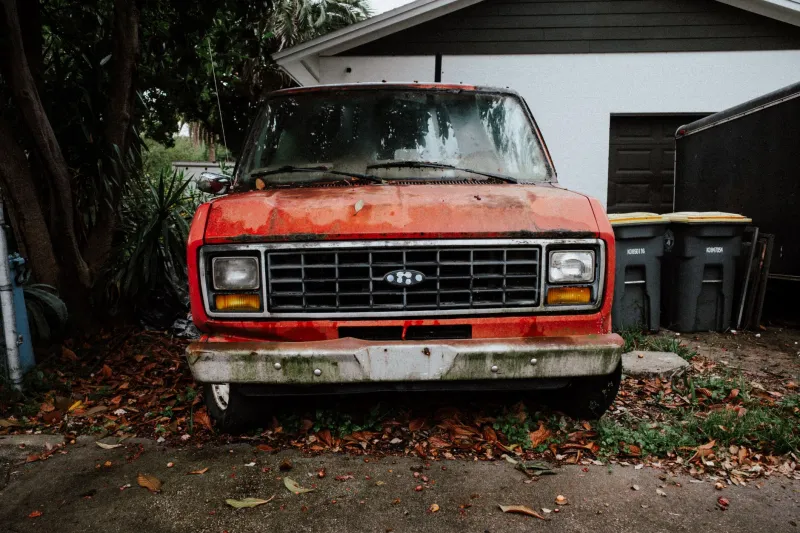
That non-running car sitting in your driveway might feel like your business and nobody else's. But depending on where you live, local ordinances, state vehicle codes, and even homeowner association rules could make that vehicle a legal liability — complete with fines, citations, and neighbor disputes that are a lot harder to resolve than you'd expect.
This isn't meant to scare you. It's meant to give you the real picture so you can make an informed decision about what to do next. Let's walk through how these laws typically work, which states are strictest, and what you can do to get ahead of the problem.
What Makes a Car "Junk" in the Eyes of the Law
The legal definition of a junk or abandoned vehicle varies by state, but most share a few common triggers. A vehicle is generally considered junk or inoperable under the law when it:
- Has been stationary for a defined period (often 72 hours to 30 days, depending on jurisdiction)
- Lacks current registration or license plates
- Is missing major components like an engine, wheels, or windshield
- Shows signs of disrepair that make it unfit for road use
- Has expired tags combined with visible deterioration
The key distinction is that you don't have to abandon a car on a public street for it to become a legal problem. Many municipalities have ordinances that apply to private residential property as well — including your own driveway or backyard.
State-by-State: Where the Rules Are Toughest
Some states are more aggressive than others about enforcing vehicle storage laws.
California has some of the most detailed regulations. Under the California Vehicle Code, a vehicle parked on private property that lacks current registration and shows signs of being inoperable can be reported and subject to abatement. Local counties like Los Angeles have their own overlapping ordinances that allow code enforcement officers to issue notices within days of a complaint.
Florida addresses junk vehicles under its county-level nuisance codes. In many Florida counties, an unregistered, non-operational vehicle stored in view of the public — even on your own property — can trigger fines starting around $250 per day after a compliance deadline passes.
Texas takes a similarly firm stance. Local governments are authorized to enforce regulations on abandoned and junked vehicles, and cities like Houston and Austin actively pursue complaints. The Texas Transportation Code gives municipalities broad authority to require removal or face escalating penalties.
New York and New Jersey both have dense residential zoning that makes unregistered vehicle storage particularly problematic. HOA rules in suburban areas of these states often go even further than local ordinances, with their own fine structures and dispute resolution processes.
Midwestern states like Ohio, Michigan, and Illinois tend to enforce these rules at the township or municipal level, meaning enforcement varies widely — but the authority to act is almost always there.
The Title Problem Nobody Talks About
One of the most overlooked legal complications with junk cars is the title. If you're trying to sell or dispose of a vehicle and you can't locate the title, you may be in more of a bind than you realize.
Most states require a clear title to transfer ownership of a vehicle — even to a junk car buyer. Without it, the car technically can't be legally transferred, which means it stays in your name. And if it stays in your name, any code violations, liens, or liability issues associated with that vehicle remain yours as well.
If your title is lost, each state has a process for obtaining a duplicate. You'll typically need to visit your state's DMV, fill out a replacement title application, pay a small fee, and provide proof of identity and ownership. Some states process these quickly; others take several weeks. Getting this sorted before you try to sell or remove the vehicle will save you significant headaches.
Neighbor Complaints: How They Escalate
Most code enforcement actions don't start with an officer driving around looking for violations. They start with a neighbor making a phone call.
What begins as an informal complaint can move quickly. A code enforcement officer is dispatched, inspects the vehicle, and if it meets the criteria for a junk or nuisance vehicle, a written notice is issued. That notice typically gives you 10 to 30 days to remove or repair the vehicle. Miss the deadline, and fines begin accruing — sometimes daily.
If fines go unpaid, the municipality may have the authority to arrange removal of the vehicle themselves and bill you for the cost. In some jurisdictions, unpaid removal and fine costs can result in a lien against your property. That's a serious escalation from what started as an eyesore complaint.
How to Fix the Problem Before It Becomes One
The good news is that getting ahead of this is straightforward. If you have an inoperable or unregistered vehicle on your property, here's the practical path forward:
- Check your registration status. If tags are expired and the car isn't running, you're already in potential violation in most jurisdictions.
- Look up your local ordinances. Most city and county websites have their municipal codes available online. Search for terms like "junk vehicle," "inoperable vehicle," or "nuisance vehicle" to find the specific rules that apply to you.
- Locate or replace your title. If the title is missing, start the replacement process now rather than waiting until you have a buyer lined up.
- Schedule removal through a licensed service. Working with a reputable junk car removal company means the vehicle is properly documented, legally transferred, and towed away — often at no cost to you.
Services like WM Junk Cars handle the paperwork side of this process and provide documentation that the vehicle has been legally transferred out of your name. That paper trail matters if you ever need to prove the car is no longer your responsibility.
The Bottom Line
Keeping a junk car isn't just an aesthetic choice — it's a legal one. The regulations around inoperable and unregistered vehicles are real, they're enforceable, and in many parts of the country they're actively enforced. The longer a non-running vehicle sits, the greater the chance it becomes a formal problem rather than just an inconvenience. Getting it removed isn't just about clearing space. It's about closing a liability before someone else forces your hand.