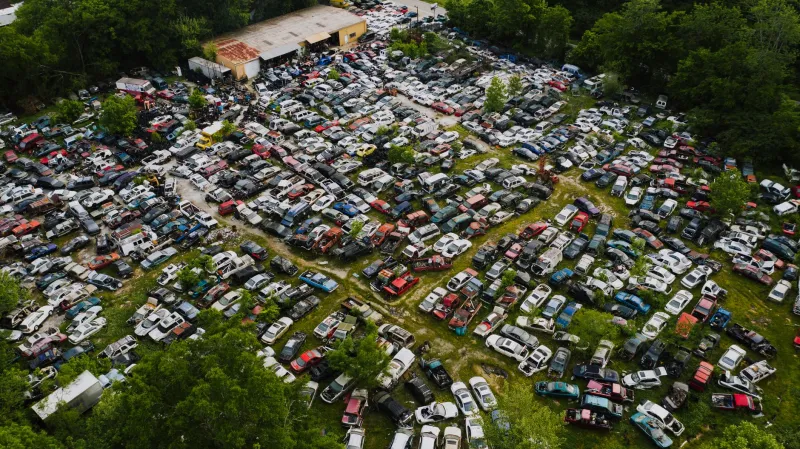
Your Junk Car Is Sitting on a Gold Mine — Here's What's Actually Worth Cash
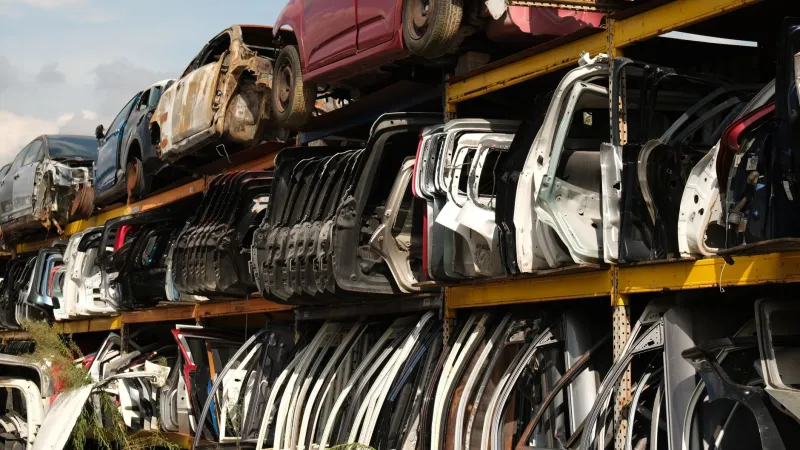
Most people look at an old, beat-up car and see nothing but a headache — a rusting eyesore taking up driveway space that they just want gone. But here's the thing: that clunker you've been ignoring could be harboring some seriously valuable components. Knowing what's worth something before you sell can help you have a smarter conversation with any junk car buyer, including us here at WM Junk Cars.
Let's break down the hidden value sitting in your garage right now.
The Crown Jewel: Catalytic Converters
If there's one component that makes salvage yards light up, it's the catalytic converter. These emissions-control devices contain trace amounts of platinum, palladium, and rhodium — precious metals that are worth serious money on the commodities market. Depending on the vehicle make and model, a single catalytic converter can fetch anywhere from $50 to over $1,500 at a recycler.
Larger vehicles like trucks and SUVs tend to have higher-value converters because they contain more of these precious metals. Hybrid vehicles, particularly the Toyota Prius, are notorious for having especially valuable cats. If your vehicle still has its original converter intact, that's a meaningful chunk of its overall junk value.
It's also why catalytic converter theft has become such a widespread problem across the US — these things are genuinely worth stealing, which tells you everything you need to know about their scrap value.
Copper Wiring: The Hidden Treasure Inside Your Dashboard
Copper is one of the most consistently valuable metals in the recycling world, and your car is loaded with it. The wiring harness — that bundled network of electrical cables running throughout your vehicle — can contain several pounds of copper wire. At current scrap rates, copper regularly trades above $3 per pound, and premium-grade wire commands even more.
Beyond the wiring harness, copper shows up in your alternator, starter motor, and various sensors throughout the vehicle. Salvage yards know this, and it factors into the offers they make. Vehicles with more complex electrical systems, like luxury cars or newer models with advanced electronics, tend to carry more copper by weight.
Aluminum: More Valuable Than You'd Think
Aluminum has become a go-to material for automakers trying to cut vehicle weight, and that trend is great news for junk car sellers. Radiators, engine blocks on many modern vehicles, wheels, and transmission housings are frequently made from aluminum alloy. Unlike steel, aluminum fetches a notably higher price per pound at the scrap yard.
An aluminum radiator alone might bring in $15 to $30 depending on size and condition. Multiply that across all the aluminum components in a typical modern vehicle and you're looking at a meaningful contribution to the overall scrap value of your car.
Engines and Transmissions: The Big-Ticket Assemblies
A running engine or a functioning transmission is worth considerably more than its scrap metal value alone. Salvage yards and independent mechanics are constantly hunting for used powertrains to rebuild or resell as replacement parts. Even a non-running engine can have value if the internals are still in decent shape.
The make and model matter enormously here. Engines from popular vehicles — think Honda Civics, Ford F-150s, or Toyota Camrys — are in high demand because there are millions of those vehicles on the road that need replacement parts. An engine from a rare or discontinued model might be worth more to a collector but harder to move quickly.
Electronics and Infotainment Systems
Modern vehicles are rolling computers, and the electronic components inside them hold real resale value. Infotainment screens, backup cameras, GPS navigation units, and advanced driver-assistance system (ADAS) sensors can all be pulled and resold individually. A factory navigation unit from a luxury brand might fetch $200 or more on the secondary market.
ECUs (engine control units) and other control modules are also sought after because they're often cheaper to source used than to buy new from a dealership. If your vehicle has a relatively recent model year, its electronics are likely still compatible with plenty of other vehicles still on the road.
Steel and Iron: The Backbone of Scrap Value
Even after stripping out all the premium components, the steel frame and body panels of your vehicle still carry value. Steel is the most recycled material in the world, and the US auto recycling industry processes millions of tons of it every year. The price fluctuates with the commodities market, but it's always a factor in what a junk car buyer will offer you.
Heavier vehicles — trucks, vans, full-size SUVs — naturally yield more steel by weight, which is part of why they tend to command higher junk prices than compact cars.
What This Means for Your Payout
Here's the practical takeaway: when you call a junk car service like WM Junk Cars for a quote, we're factoring in all of these components when we make an offer. The goal is to give you a fair price that reflects the real market value of what your vehicle contains — not just a lowball number based on its cosmetic condition.
You don't need to become a scrap metal expert overnight, but understanding that your car is more than just a hunk of rusted steel gives you a better foundation for evaluating any offer you receive. A vehicle with an intact catalytic converter, functioning electronics, and a solid aluminum engine block is worth noticeably more than one that's been stripped or heavily damaged.
So before you assume your old clunker is worthless, remember: there's likely more value hiding under that hood than you realize. And at WM Junk Cars, we'll make sure you get paid for it — plus free towing to get it off your property without any hassle.