What Really Happens to Toxic Car Fluids — And Why Proper Junk Car Disposal Actually Matters
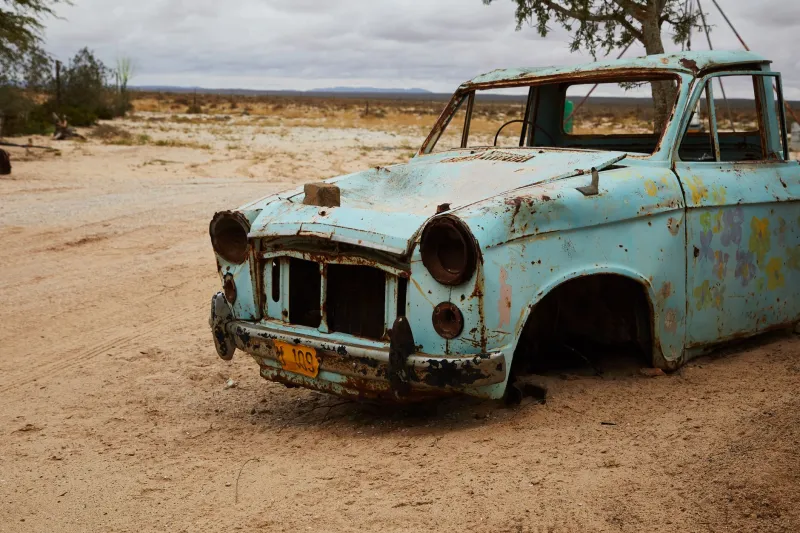
Picture a car sitting abandoned in a field somewhere in rural America. Grass growing up through the wheel wells, windows fogged with grime, a slow rust consuming the body panels. It looks like a purely aesthetic problem — an eyesore, maybe a safety hazard for curious kids. But the real damage is happening underground, where nobody can see it.
That vehicle is slowly bleeding toxic fluids into the earth. And it's happening in backyards, vacant lots, and roadsides all over the country.
At WM Junk Cars, we handle vehicle disposal every day, and we want people to understand why doing it properly isn't just good for your wallet — it's genuinely good for the environment your family lives in.
The Fluid Problem Nobody Talks About
A typical passenger vehicle contains somewhere between five and ten different types of fluid, many of which are classified as hazardous waste under EPA guidelines. When a car sits and deteriorates — or gets crushed without proper draining — those fluids don't just disappear. They leak, evaporate into the air, or seep into the ground.
Let's talk about what those fluids actually are:
Engine coolant (antifreeze) is one of the most dangerous. It contains ethylene glycol, a sweet-smelling compound that's highly toxic to pets and wildlife. Animals are attracted to it precisely because of that sweetness, and even small amounts can cause kidney failure. Coolant is water-soluble, which means it moves quickly through soil and into groundwater.
Motor oil is a slow-moving but persistent threat. Used engine oil contains heavy metals like lead, zinc, and cadmium that accumulate in soil over time. The EPA estimates that a single quart of used oil can contaminate up to 250,000 gallons of drinking water. One abandoned car might be holding several quarts.
Transmission fluid and power steering fluid are petroleum-based and similarly persistent in the environment. They don't break down quickly, and they're toxic to aquatic life when they reach streams or storm drains.
Battery acid — the sulfuric acid inside a standard lead-acid car battery — is corrosive and can lower soil pH dramatically, making it hostile to plant life and dangerous to any person or animal that comes into contact with it. Lead from corroded battery terminals compounds the problem.
Brake fluid is hygroscopic, meaning it absorbs water from its surroundings. It's also toxic and can contaminate groundwater supplies if it leaches through soil.
Refrigerants from air conditioning systems contain hydrofluorocarbons (HFCs) that, when released into the atmosphere, act as potent greenhouse gases — far more warming per molecule than carbon dioxide.
What Happens When Professionals Handle It
This is where the process at a licensed junk car recycler looks very different from an abandoned vehicle rotting in a field.
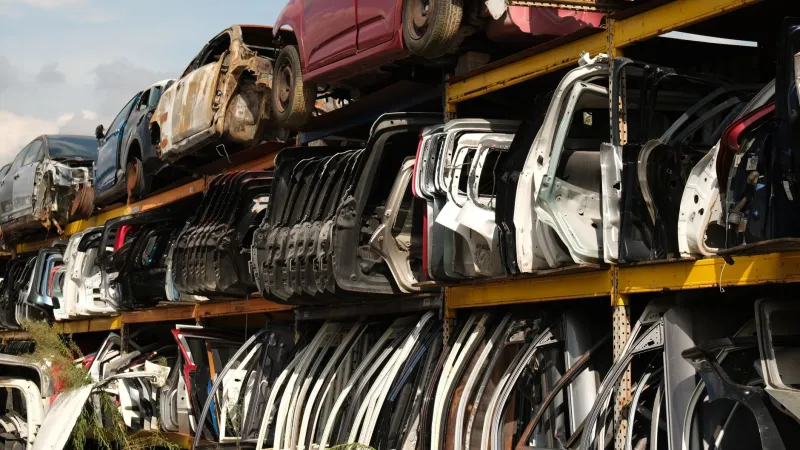
When a vehicle arrives at a proper recycling facility, the first step before anything else is depollution — a systematic process of draining and safely containing every hazardous fluid in the vehicle. This isn't optional; it's required by federal and state environmental regulations, and reputable recyclers take it seriously.
Fluids are drained into sealed containers and either recycled for reuse or disposed of through licensed hazardous waste handlers. Coolant can often be filtered and sold back to manufacturers. Used motor oil gets sent to re-refining facilities where it becomes usable lubricant again. Batteries are sent to dedicated lead-acid recycling plants, where over 99% of the materials — lead, plastic, and acid — are recovered and reused.
Airbags, which contain explosive propellants, are carefully deployed or removed before the vehicle is crushed. Refrigerants are captured using specialized equipment rather than vented to the atmosphere.
Only after this depollution process is complete does the vehicle move on to crushing, shredding, and metal separation.
The Scale of the Problem — And the Opportunity
About 12 to 15 million vehicles reach the end of their useful life in the United States every year. The auto recycling industry handles the vast majority of them responsibly, making it one of the largest recycling industries in the country by volume. In fact, the steel recovered from recycled vehicles alone saves an enormous amount of energy compared to producing new steel from raw ore — the American Iron and Steel Institute estimates that recycling steel uses about 60% less energy than making it from scratch.
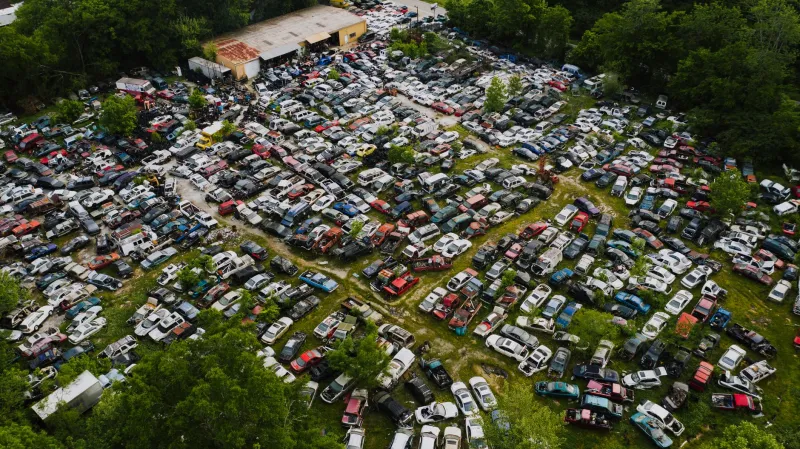
But not every end-of-life vehicle ends up at a licensed recycler. Vehicles that are abandoned, sold to unlicensed dismantlers, or left to deteriorate on private property don't go through depollution. Their fluids end up exactly where you'd expect — in the ground, in the water, and in the air.
Your Choice Has Real Consequences
When you decide what to do with an old, non-running, or damaged vehicle, you're making an environmental decision whether you realize it or not. Calling a licensed junk car removal service like WM Junk Cars means your vehicle gets handled by professionals who are required to follow environmental regulations — from fluid draining to metal recycling.
We offer free towing anywhere in our service area, which removes the friction that sometimes leads people to just leave a vehicle sitting. There's no reason to let a clunker bleed toxins into your yard or neighborhood when getting rid of it responsibly is genuinely easy and puts cash in your pocket at the same time.
The environment isn't an abstract concept. It's the soil your kids play in, the groundwater that feeds your well or your municipal supply, and the air your neighborhood breathes. Choosing proper vehicle disposal is one of the simplest, most concrete ways to make a positive impact on all of it.