Is It Time to Let Go? 5 Clear Signs Your Car Has Crossed Into Junk Territory
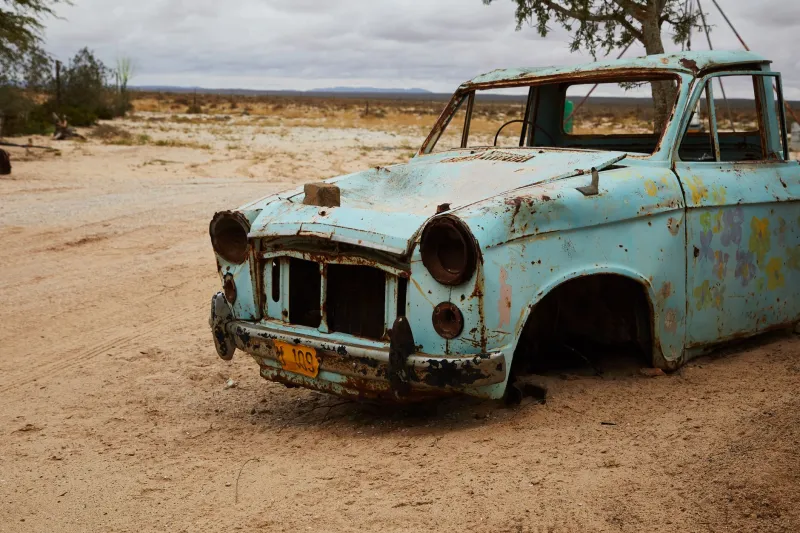
Car ownership comes with a certain emotional attachment. You've driven that vehicle through road trips, cross-town commutes, and maybe a few white-knuckle snowstorms. Letting go isn't easy. But at some point, holding onto a failing vehicle stops being loyalty and starts being expensive.
The challenge is figuring out exactly when that line gets crossed. Mechanics will always find something to fix, and it's tempting to keep investing in a car you know. But there's a cold, practical math to this decision — and when the numbers stop working, junk car removal is often the smartest financial move you can make.
Here are five signs that your car has officially entered junk car territory.
1. Repair Estimates Are Climbing Past the Car's Market Value
This is the big one. If a mechanic quotes you $3,000 to fix an engine on a car that's worth $2,500 in running condition, you're throwing money into a hole. The rule of thumb most automotive experts use is simple: when repair costs exceed 50% of the vehicle's current market value, it's time to seriously reconsider.
You can check your car's approximate value on sites like Kelley Blue Book or Edmunds. Then get a repair estimate in writing. If the math doesn't work — and it often doesn't on older, high-mileage vehicles — you're better off pocketing the cash from a junk car sale and putting it toward something reliable.
Keep in mind that this calculation compounds over time. A $1,200 transmission repair this spring, followed by a $900 brake job in the fall, followed by a $700 cooling system fix next winter adds up fast. Sometimes the writing is on the wall before any single repair crosses the threshold.
2. The Rust Has Gone Structural
Surface rust on older vehicles is pretty normal in states that use road salt — think the Midwest, the Northeast, anywhere that deals with serious winters. A little rust on the body panels is cosmetic and manageable. Rust that has eaten into the frame, the floor pans, or the rocker panels is a completely different situation.
Structural rust compromises the integrity of the vehicle in ways that are both dangerous and extremely expensive to repair. Body shops can patch surface damage, but frame rust often requires complete section replacement — work that can cost more than the vehicle is worth and may still leave safety concerns unresolved.
If you can poke a screwdriver through the floor of your car or notice flex in the frame when the vehicle moves, that's a serious red flag. At that point, you're not just dealing with an ugly car — you're dealing with a potential safety hazard.
3. The Engine or Transmission Has Failed
A blown engine or a dead transmission represents one of the most expensive repairs in automotive ownership. Engine replacements can run anywhere from $4,000 to $10,000 or more depending on the vehicle. Transmission rebuilds typically fall in the $2,500 to $5,000 range. On a vehicle that was worth $3,000 before the failure, neither number makes sense.
These are also the failures most likely to happen on high-mileage, aging vehicles — which means by the time the engine goes, the car probably has other issues waiting in line behind it. Paying to replace the heart of a car that's also got bad suspension, worn brakes, and a leaking cooling system is rarely a wise investment.
When the powertrain gives out on an older vehicle, that's usually the moment a junk car sale becomes the obvious answer.
4. It Failed Safety or Emissions Inspection — and the Fix Isn't Simple
In most US states, vehicles need to pass a safety inspection and, in many areas, an emissions test to remain legally registered. When a car fails these inspections, you've got a window of time to make repairs before the registration lapses.
Sometimes the fix is minor — a burned-out brake light, a loose gas cap. But sometimes inspection failures signal deeper problems: a catalytic converter that needs replacement, brake systems that are beyond repair, suspension components that have worn dangerously thin. When the cost to bring a vehicle into compliance exceeds its value, you're stuck with a car you can't legally drive.
At that point, selling it as a junk car is actually the most practical option. You get cash in hand, free towing, and you're done with it — no more registration fees, no more insurance premiums on a car you can't drive.
5. It's Been Sitting Idle for More Than a Year
Vehicles that sit unused deteriorate faster than most people realize. Tires develop flat spots and dry rot. Seals shrink and crack, leading to fluid leaks. Rodents find their way into engine compartments and chew through wiring. Fuel systems gum up. Brake rotors rust to the point where the brakes barely function.
If a car has been parked in your driveway or yard for a year or more without running, the cost to bring it back to daily-driver condition is almost always significant. And in many municipalities, a long-term non-running vehicle can trigger code violations and fines.
The longer a dead car sits, the more it costs you — in space, in potential fines, and in the slow drain of value as components continue to degrade.
So What Do You Do About It?
Once you've recognized that your vehicle has crossed into junk car territory, the process is actually pretty straightforward. Services like WM Junk Cars offer fast quotes, same-day or next-day pickup in most areas, and free towing — meaning you don't have to figure out how to move a non-running vehicle on your own.
You'll need your title and a valid ID in most states. The buyer handles the paperwork, loads up the vehicle, and hands you cash. It's one of the cleaner financial transactions you'll make, especially compared to the alternative of sinking more money into a car that's already past its prime.
Recognizing the right moment to let go isn't giving up on your car — it's making a smart call with your money.