That Dead Car in Your Yard Could Land You in Court — Here's Why
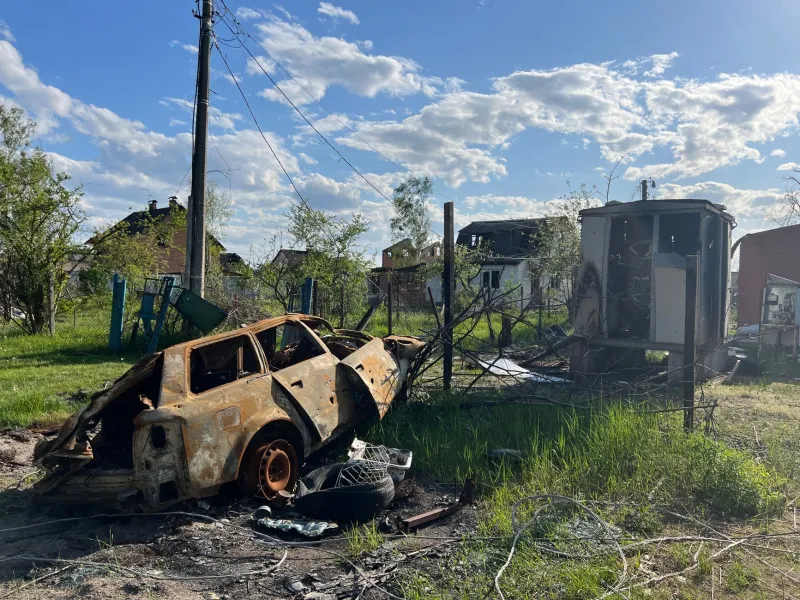
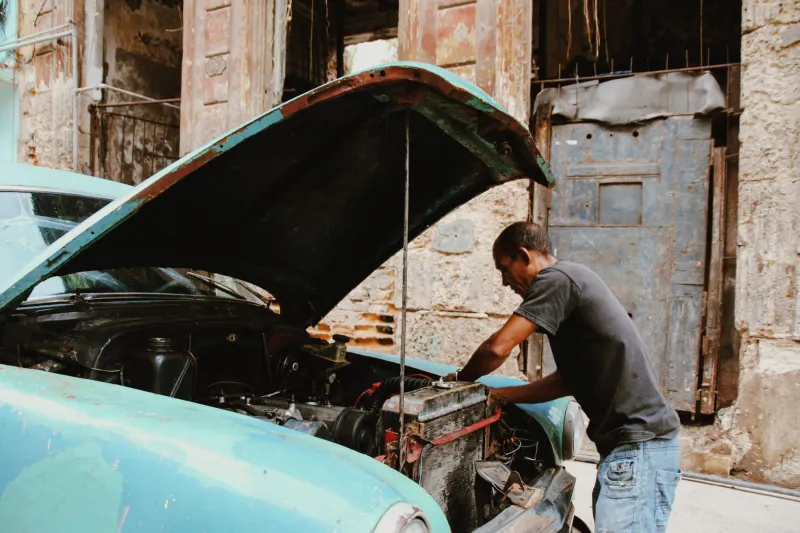
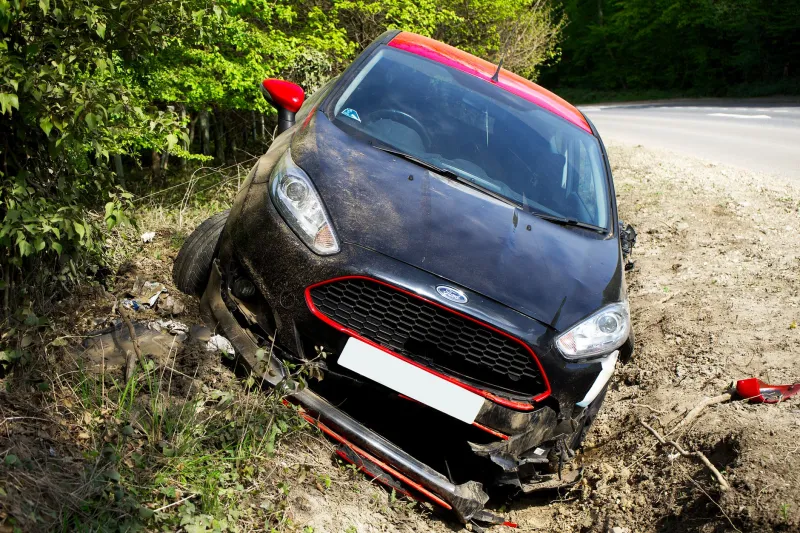
Most homeowners figure a broken-down car sitting in the driveway is their own business. It's their property, their car, their problem — or so the thinking goes. But that assumption has a way of getting expensive real fast. The truth is, a non-functional vehicle on your land isn't just an inconvenience. In the eyes of the law, it can be a liability waiting to happen.
Let's break down exactly how that rusty hulk in your yard could end up costing you far more than a tow truck ever would.
When "My Property" Doesn't Protect You
There's a legal concept called attractive nuisance that doesn't get nearly enough attention outside of law school classrooms — but it matters a lot here. Basically, it says that if something on your property is likely to attract children (or others) and could cause them harm, you can be held responsible even if they were technically trespassing.
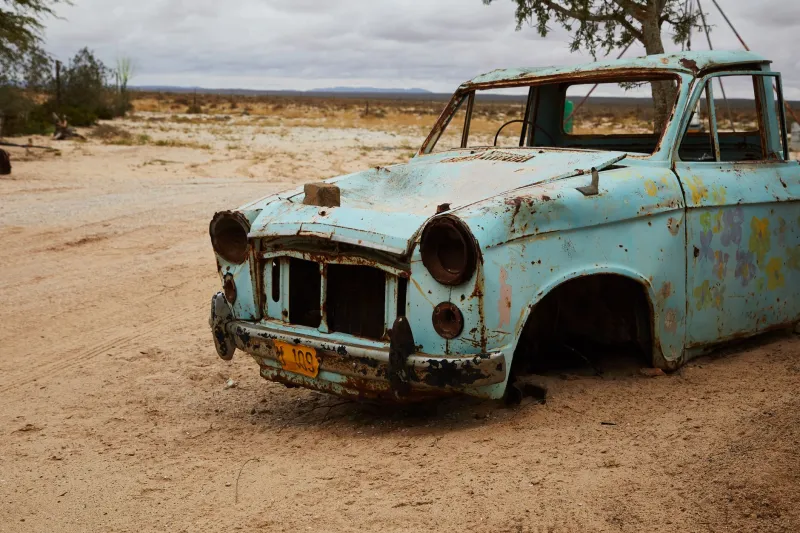
A junked car checks every box. Kids are curious. An old car with broken windows, a trunk that pops open, or a door that swings loose is practically an invitation. If a neighborhood kid climbs in, gets trapped, or cuts themselves on jagged metal, you could be looking at a personal injury lawsuit — regardless of whether you gave anyone permission to be near the vehicle.
And it's not just kids. Adults can file claims too. A neighbor who trips over a bumper that's migrated onto the sidewalk, a delivery driver who slips on a puddle of leaked transmission fluid — these scenarios aren't as far-fetched as they sound.
What Your Homeowner's Insurance May Not Cover
Here's where a lot of people get caught off guard. You might assume your homeowner's insurance has you covered in the event of an injury on your property. And in some cases, it might. But insurers are getting smarter about exclusions — and a junk car sitting on your land for months or years could complicate your claim in ways you don't expect.
Some policies specifically exclude coverage for incidents involving abandoned or inoperable vehicles. Others may cover the initial claim but then raise your premiums significantly or drop your coverage altogether once they get a look at the situation. If the injury involves environmental contamination — say, leaked motor oil or battery acid that a child came into contact with — you might be looking at a pollution exclusion clause that leaves you holding the bill.
The bottom line: don't assume you're covered. Call your insurer and ask directly. You might be surprised by what you hear.
Environmental Contamination: A Liability You Can't See
Old cars leak. That's just reality. Brake fluid, coolant, motor oil, transmission fluid, battery acid — a vehicle that hasn't run in years can be quietly seeping all of these into the ground beneath it. And depending on where you live, that's not just a mess — it's a legal exposure.
In many states, property owners can be held liable for soil and groundwater contamination originating on their land, even if the contamination was unintentional. If your neighbor's well water gets impacted, or if a municipal inspector flags contamination during a routine check, you could find yourself responsible for remediation costs that dwarf what the car was ever worth.
The EPA and state environmental agencies don't really care that you didn't mean to let it happen. Negligence — in the form of failing to properly dispose of a leaking vehicle — is often enough to establish liability.
Local Ordinances: The Fines You Didn't Know Were Coming
Beyond the civil lawsuit risk, there's the more immediate problem of local code enforcement. Across the country, municipalities have ordinances specifically targeting inoperable vehicles stored on residential property. Some cities give you 30 days to remove a non-running car before the fines start. Others are stricter.
These violations can result in:
- Daily fines that accumulate quickly, sometimes $50–$200 per day
- Forced removal by the city, with the bill sent to you
- Liens placed on your property if fines go unpaid
- Reduced property value due to code violation records
And here's the kicker — in some jurisdictions, if your city tows the vehicle on your behalf, they can charge you significantly more than what a private junk car removal company would. You lose the car and the cash, and still owe money on top of it.
The HOA Factor
If you live in a neighborhood governed by a homeowners association, add another layer of risk to the pile. HOAs can impose fines, take legal action, and in extreme cases, place liens against your home for violations that include storing inoperable vehicles in visible areas. Some HOA agreements are specific enough to include vehicles that simply look abandoned — even if they technically run.
Ignoring HOA notices is a mistake people make more often than you'd think. Those letters pile up, the fines compound, and suddenly you're in arbitration over a car you forgot about.
How Junk Car Removal Eliminates the Exposure
This is the part where the math gets pretty simple. Every risk outlined above — the injury liability, the environmental contamination, the code violations, the HOA fines — disappears the moment that vehicle leaves your property.
A reputable junk car removal service handles the tow, the title transfer, and the proper disposal of hazardous fluids. You're not just getting rid of an eyesore. You're closing off a whole set of legal and financial vulnerabilities in one move. And in most cases, you walk away with cash in hand — not a fine notice in the mail.
At WM Junk Cars, we offer free towing and same-day or next-day pickup in most areas. The process is straightforward: get a quote, schedule a pickup, hand over the title, and get paid. No paperwork headaches, no hidden fees.
Don't Wait for Something to Go Wrong
The problem with liability is that it's invisible until it isn't. Nobody thinks they're going to get sued over a car in the driveway — right up until they are. The smarter play is to eliminate the risk before it materializes.
If you've got a non-runner sitting on your property, the question isn't really whether you can afford to get rid of it. It's whether you can afford not to.