Still Paying for Insurance on a Car That Won't Start? Here's What That's Actually Costing You
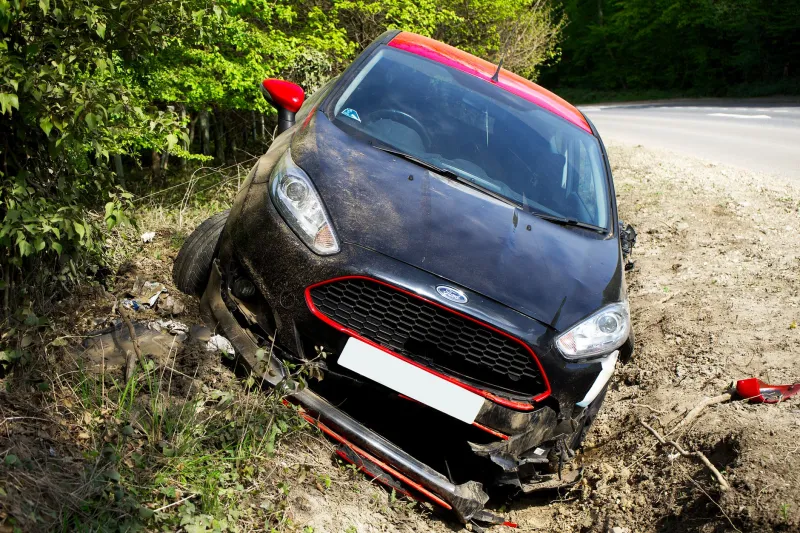
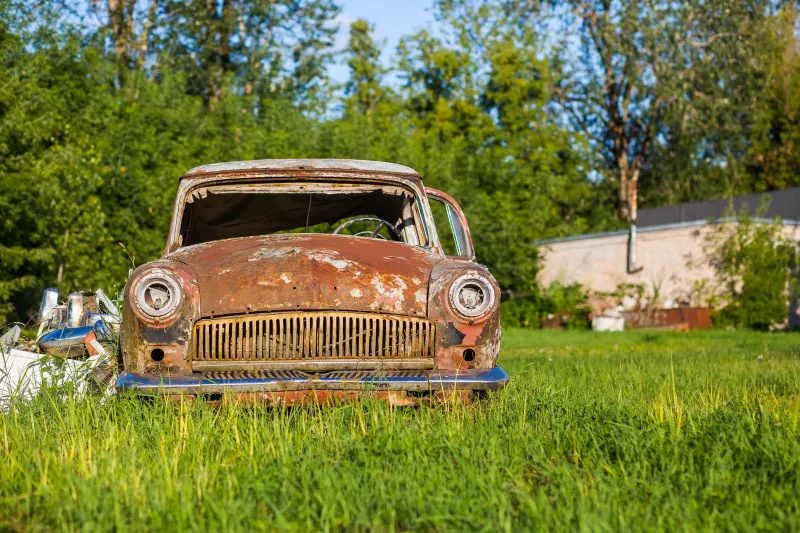
There's a very specific kind of financial dread that comes from logging into your bank account and seeing an auto insurance payment go through — for a car that's been sitting dead in your driveway since last winter. You keep meaning to deal with it. The car, the insurance, all of it. But life gets busy, and somehow another month slips by.
If that sounds familiar, you're not alone. A surprising number of car owners end up in what's basically an insurance limbo: the vehicle has crossed the line into junk territory, but the policy is still active and still billing. It feels like a minor inconvenience, but depending on your situation, it can quietly cost you a lot more than you realize.
What "Junk Car" Actually Means for Your Insurance Company
Here's the thing insurance companies don't exactly advertise: the moment your vehicle becomes inoperable or gets classified as a total loss, the nature of your coverage changes — whether you know it or not.
Most standard auto policies are written around the assumption that the vehicle is being driven. Liability coverage exists to protect others when you're on the road. Collision coverage assumes there's something worth repairing after an accident. When a car stops running entirely, a big chunk of what you're paying for becomes essentially worthless to you.
Yet the bill keeps coming.
For a vehicle that's completely undriveable, you're likely still paying for:
- Liability coverage you can't use because the car doesn't move
- Collision coverage on a vehicle that's already totaled in all but paperwork
- Uninsured motorist protection that's irrelevant when the car sits in one spot indefinitely
The only coverage that arguably still makes sense on a non-running car is comprehensive — which covers things like theft, weather damage, or a tree falling on it. But even that has limits, and it's usually a fraction of your total premium.
The Hidden Liability Risk Nobody Talks About
Here's where things get a little more serious. Some people hold onto their junk car insurance because they figure, "better safe than sorry." But inactive policies on inoperable vehicles can actually create liability confusion rather than protection.
If someone gets hurt on your property involving that parked junker — a kid climbing on it, a neighbor backing into it, whatever — your auto policy may or may not respond, depending on how the incident is classified. Some claims fall into a gray zone between auto and homeowners liability. That ambiguity can mean delays, disputes, or outright denials at the worst possible moment.
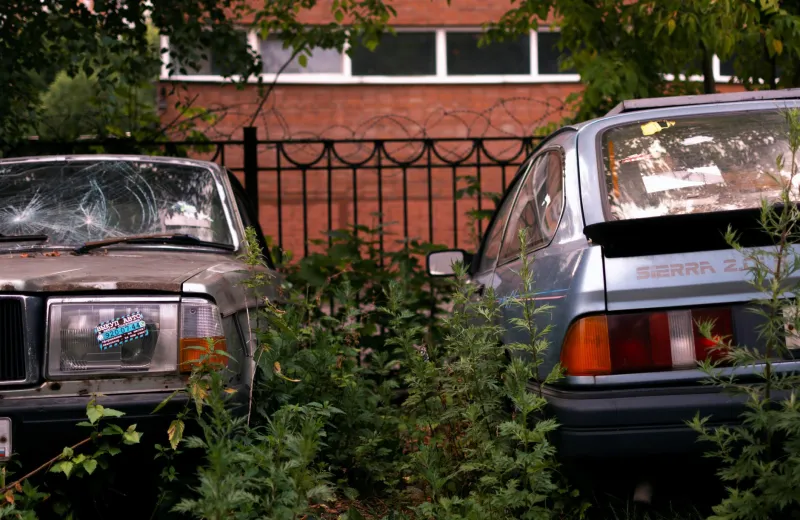
And if your car has been sitting so long that it's leaking fluids, has a cracked windshield, or otherwise looks like an abandoned vehicle, some municipalities can actually fine you for it — a cost your insurance policy definitely won't cover.
What Happens If You Cancel Too Early (Or Too Late)
Timing matters here, and it cuts both ways.
Cancel too early: If you still technically own the vehicle and something happens to it — fire, flood, theft of parts — you're on your own with no coverage whatsoever. In some states, you're also required to maintain at least minimum coverage on any vehicle registered in your name, even if it doesn't run. Dropping coverage while it's still registered could trigger a lapse notice with your state's DMV and potentially affect your license.
Cancel too late: Every month you keep paying premiums on a car you're not driving is money out of your pocket with essentially zero return. Depending on your insurer and your current rate, you could be throwing away $50 to $150+ per month on a vehicle that's never leaving your driveway.
The sweet spot is coordinating your insurance cancellation with the actual removal of the vehicle and the transfer of the title. Once the car is gone and the title is signed over, you have a clean, documented reason to cancel — and no lingering liability on your end.
How to Time It Right When You Sell to a Junk Car Service
If you're planning to sell your vehicle to a junk car removal service (which, honestly, is one of the easiest ways to get rid of a non-runner), here's a practical timeline to follow:
-
Get your quote first. Contact a junk car buyer, get a cash offer, and schedule your pickup. This gives you a firm date to work backward from.
-
Locate your title. You'll need it to sign the car over. If you've lost it, start the replacement process now — it can take a week or two depending on your state.
-
Notify your insurer before the pickup date. Call or go online to schedule your cancellation for the same day the car gets picked up. Many insurers will prorate your refund, so you might actually get a little cash back for the unused portion of your policy.
-
Cancel your registration. In most states, you can surrender your license plates and cancel your registration once the vehicle is no longer in your possession. This stops any future registration renewal fees and, in states where insurance is tied to registration status, prevents any compliance issues.
-
Keep your paperwork. Hold onto the bill of sale or the junk title receipt. If there's ever a question from your insurer or your state DMV about the vehicle, you have documentation that it was properly transferred.
A Few State-Specific Things to Know
Insurance and registration laws vary a lot across the US, so it's worth doing a quick check for your state before you cancel anything.
- In Virginia, New Hampshire, and a handful of other states, the rules around uninsured vehicles are a little different — make sure you understand the local requirements before dropping coverage.
- Florida and California both have specific rules about what happens when a vehicle is declared a total loss or junk — including how quickly the title must be transferred.
- Some states have a formal "junk title" or "salvage title" designation that changes the vehicle's legal status entirely, which can affect whether a standard policy is even valid anymore.
When in doubt, a quick call to your state's DMV website or a five-minute chat with your insurance agent can save you a headache.
The Bottom Line
A dead car in your driveway is already costing you in ways most people don't think about — storage space, property value, potential fines. Paying insurance on top of all that is just adding insult to injury.
The good news is that getting out of insurance limbo is genuinely straightforward once you decide to move. Sell the car to a junk removal service, time your cancellation right, handle the title transfer and registration surrender, and you're done. No more phantom payments on a vehicle that hasn't started in six months.
At WM Junk Cars, we make the vehicle side of that equation as simple as possible — free towing, fast cash offers, and a clean title transfer so you can close the loop on everything cleanly. The insurance part? That's between you and your provider. But at least now you know what questions to ask.