Wrecked But Not Worthless: Why Rebuilders and Hobbyists Are Hunting for Cars Just Like Yours
Your insurance adjuster looked at your car, punched some numbers into a laptop, and handed you a check. Totaled. Done. Move on. But here's something they didn't mention: that same car you're about to hand off for scrap might be exactly what a guy in Ohio has been searching for on Craigslist every single morning before work.
The rebuilder market is real, it's active, and it's bigger than most people realize. And if you're sitting on a totaled or heavily damaged vehicle, knowing how this world works could mean the difference between a lowball scrap offer and a genuinely competitive sale.
Who's Actually Buying These Things?
Let's break down the crowd. It's not one type of person — it's a whole ecosystem.
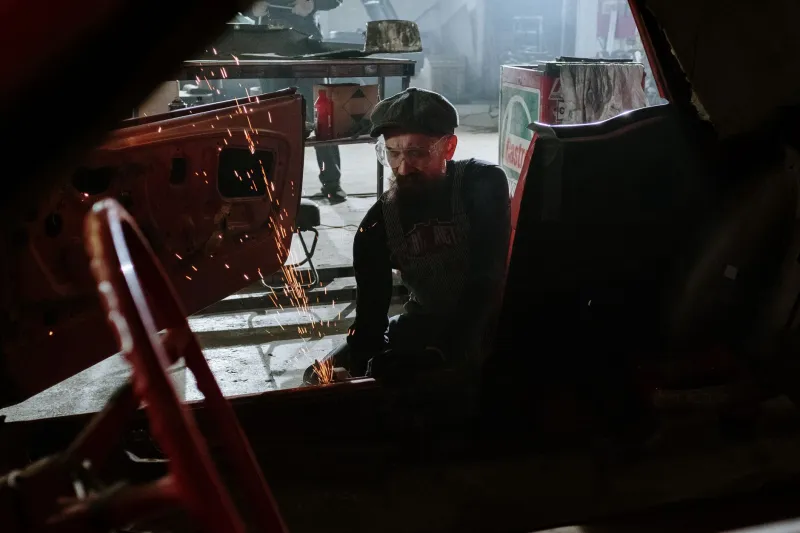
Weekend mechanics are probably the most common. These are folks with a garage, a decent set of tools, and the kind of patience that most of us lost around age 30. They're not looking for a perfect car. They're looking for a fixable car at a price that makes the math work. A $2,500 rebuilt title vehicle they put $4,000 of labor into is still a $10,000 car when it's done — and that spread is the whole point.
Classic car restorers operate on a slightly different wavelength. If you've got an older domestic vehicle — think late '60s through early '90s American muscle, trucks, or even vintage imports — there are passionate communities built entirely around bringing these machines back from the dead. Forums, Facebook groups, swap meets — these folks are networked and serious. A '72 Chevelle with a smashed quarter panel and a seized engine isn't garbage to them. It's a project.
Parts hunters are another significant group. Sometimes the buyer doesn't even want to restore the whole car. They need a specific transmission, a particular trim piece, or a rare interior component. If your vehicle happens to have the right donor parts, you've got leverage.
Automotive students and trade school instructors round out the market. Community colleges with auto tech programs regularly acquire damaged vehicles for hands-on learning. A totaled car that can't be legally driven on a public road is still a perfectly valid teaching tool.
What Makes a Damaged Car Attractive to Rebuilders?
Not every wreck is created equal in the eyes of a rebuilder. Here's what they're actually evaluating:
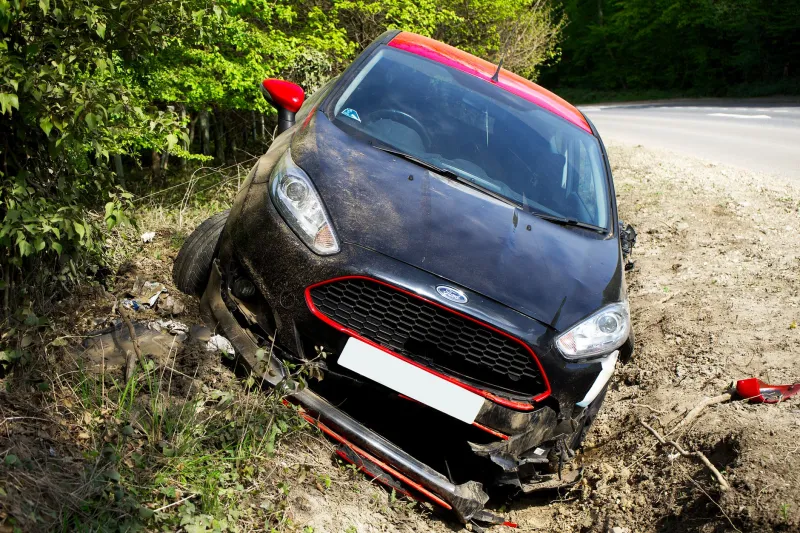
The type of damage matters enormously. Collision damage — even severe collision damage — is often more appealing than flood or fire damage. A car that got T-boned at an intersection might have a destroyed door, a bent frame section, and deployed airbags. But the engine, transmission, and drivetrain could be completely untouched. Rebuilders can work with that. Flood cars, on the other hand, carry hidden electrical gremlins and corrosion that can haunt a rebuild for years. Fire damage is similar — the heat compromise is unpredictable.
Rarity drives demand. The more unique the vehicle, the more likely someone wants it in any condition. Limited production runs, discontinued models, vehicles with cult followings — these attract buyers even when they're badly wrecked. If you've got something unusual, do a little research before you accept the first offer.
Mileage still counts. A low-mileage totaled car is genuinely exciting to a rebuilder because the mechanical components are relatively fresh. They're essentially getting a newer engine and drivetrain attached to a damaged body — and body work is something skilled hobbyists can handle.
Parts availability is a practical concern. If your car is a model that's easy to source parts for, the rebuild becomes much more feasible. Common platforms — think mid-2000s Honda Civics, Ford F-150s, Chevy Silverados — have huge aftermarket support, which makes them popular rebuild candidates even when they're significantly damaged.
How This Knowledge Helps You Get a Better Deal
Understanding the rebuilder market changes how you approach selling a totaled car. A few practical takeaways:
Don't only call one buyer. Standard junk car buyers price based on scrap weight and salvageable parts. Rebuilders price based on project potential. These two valuations can be dramatically different for the right vehicle. Cast a wider net — list it on platforms where hobbyists actually shop, not just on general classifieds.
Document what works. When you're talking to a rebuilder, they want to know what isn't broken. Pull the records. Start the engine if it runs. Note which systems are functional. The more information you can provide, the more confident a buyer feels — and confident buyers make better offers.
Know your car's community. A quick search of your vehicle's year, make, and model alongside words like "forum," "club," or "owners group" will show you whether there's an enthusiast base. If there is, that's a potential audience of motivated buyers who might pay significantly more than scrap value.
Timing matters here too. The rebuilder market tends to pick up in late winter and early spring, when people start planning warm-weather garage projects. If you're not in a rush, that seasonal window can work in your favor.
The Bottom Line
Your totaled car has already been written off by the insurance company. But written off by them doesn't mean worthless to everyone. Somewhere between the scrap yard price and the retail value of a running vehicle, there's a number that makes a rebuilder excited and still puts real money in your hands.
At WM Junk Cars, we've seen plenty of vehicles that looked like pure scrap turn into competitive bidding situations once the right buyers got involved. The trick is knowing those buyers exist and making sure they can find you — or that you find them — before you settle for the first offer that comes along.
Don't let the word "totaled" be the last word on what your car is worth.