Not All Junk Car Buyers Are Created Equal — Here's How to Tell the Good Ones From the Sketchy Ones
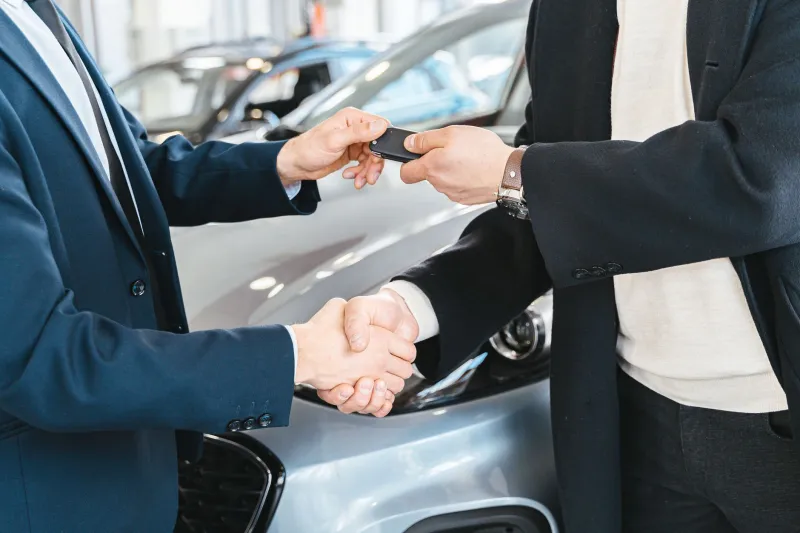
Selling a junk car should be simple. You call, they quote, they tow, you get paid. And honestly, with the right buyer, it really is that straightforward.
But the junk car space also attracts its share of fly-by-night operators — unlicensed middlemen, scrap flippers, and outright scammers who see your distressed vehicle as an easy target. Some will quote you one price and pay you another. Some will take your car and never properly handle the title. And some will dump fluids and parts in ways that could technically put environmental liability back on you.
So before you hand over your keys, here's how to separate the legit buyers from the ones you should avoid.
Why This Matters More Than You Might Think
It's tempting to just go with whoever offers the most cash or responds fastest. But the cheapest or quickest option isn't always the safest one.
A disreputable buyer can:
- Change the quoted price at pickup (a bait-and-switch that's more common than you'd think)
- Fail to transfer the title, leaving you legally on the hook for the vehicle
- Improperly drain fluids or strip parts in ways that violate EPA regulations — on your property
- Disappear without paying after towing the car
- Operate without the proper licenses, which can create complications if the vehicle is later involved in an incident
None of these outcomes are hypothetical. They happen regularly to sellers who didn't ask the right questions upfront.
Red Flag #1: The Quote Changes at Pickup
This is the most common scam in the junk car world, and it works because sellers are already emotionally committed to the transaction by the time the tow truck shows up.
The setup: you get a quote over the phone, you agree, you take time off work to be home for pickup — and then the driver shows up, looks at the car, and says something like, "Hmm, the condition is worse than I thought. Best I can do is [significantly lower number]." The pressure to just take it and be done with it is real.
Legitimate buyers honor their quotes. If a company's offer is contingent on an in-person inspection that can then be dramatically revised, that's a problem. Ask upfront: "Is this quote guaranteed, or can it change when the driver arrives?" A solid company will give you a straight answer.
Red Flag #2: No Physical Address or Verifiable Business Presence
Every legitimate junk car buyer or auto recycler in the US operates as a licensed business. That means a real address, a phone number that connects to an actual person or answering service, and a web presence that's been around for more than a few months.
If you search a buyer online and find nothing — no reviews, no Better Business Bureau listing, no Google Maps entry — proceed with serious caution. Sketchy operators often use generic names, temporary phone numbers, and no fixed location. When something goes wrong (and it might), you'll have no way to track them down.
Red Flag #3: They're Vague About Licensing
In most US states, auto recyclers and junk car dealers are required to hold specific licenses — often from the DMV or an equivalent state agency. These requirements exist to protect both sellers and the environment.
Don't be shy about asking: "Are you a licensed auto recycler in this state?" A reputable company will tell you yes and may even offer their license number. Hesitation, deflection, or an inability to answer that question directly is a serious warning sign.
For extra peace of mind, you can cross-check licensing through your state's DMV website or department of motor vehicles database.
Red Flag #4: No Proof of Insurance
When a tow truck operates on your property, there's inherent risk — to your driveway, your fence, your neighbor's car parked on the street. A legitimate buyer carries commercial auto and general liability insurance.
Ask to see proof of insurance before anyone starts moving the vehicle. A trustworthy company won't flinch at this request. If a buyer can't or won't produce insurance documentation, you're potentially on the hook for any damage that occurs during removal.
Red Flag #5: Pressure to Skip the Paperwork
We've covered this elsewhere on the site, but it bears repeating: any buyer who tries to rush you past the title transfer process, suggests you don't need a bill of sale, or offers to handle everything "informally" is not looking out for your interests.
Paper trails protect sellers. Full stop. A buyer who's uncomfortable with documentation has a reason to be uncomfortable with documentation.
Questions to Ask Before You Commit
Here's a quick script you can use when vetting any junk car buyer:
- "Is your quote guaranteed, or subject to change at pickup?"
- "Are you licensed to buy and recycle vehicles in [your state]?"
- "Can you provide proof of insurance?"
- "Will you handle the title transfer through the DMV?"
- "Do you provide a bill of sale?"
- "How do you handle fluid disposal and environmental compliance?"
The answers to these questions will tell you almost everything you need to know. Legitimate operations handle all of this as standard procedure. Shady ones will hedge, deflect, or try to change the subject.
How to Verify Auto Recycling Credentials
Beyond asking directly, you can do your own homework:
- Check the Automotive Recyclers Association (ARA) directory — members are held to industry standards for environmental and business practices.
- Look up the company on the BBB (bbb.org) — check both their rating and the nature of any complaints.
- Search your state's DMV or licensing database — most states publish licensed dealer and recycler lists online.
- Read Google and Yelp reviews — pay attention to patterns, not just star ratings. Multiple complaints about bait-and-switch pricing or title issues are meaningful.
The Bottom Line
Most junk car transactions go smoothly because most buyers are running legitimate operations. But "most" isn't "all," and a few minutes of due diligence is cheap insurance against a transaction that could cost you time, money, or legal headaches.
At WM Junk Cars, we're upfront about our licensing, our insurance, and our process — because that's how a reputable business operates. If a buyer can't say the same, keep looking.